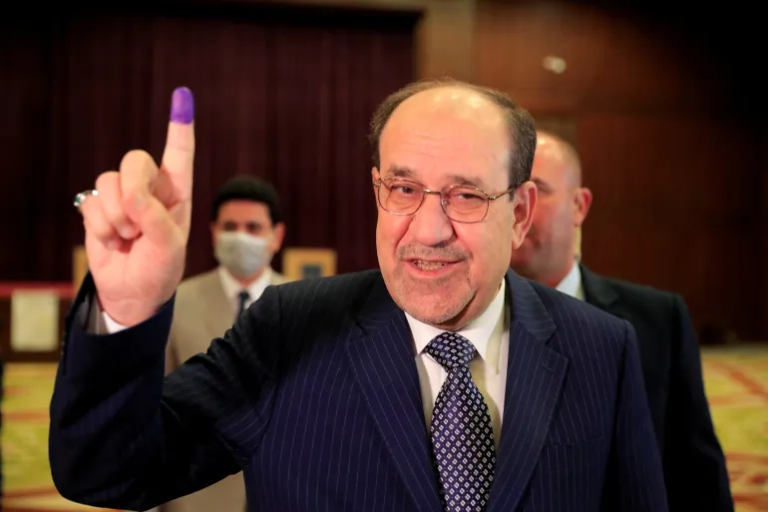
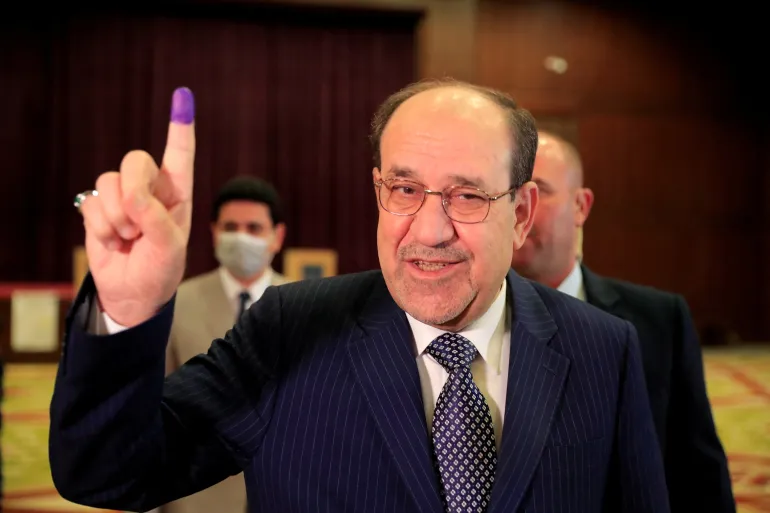
Speculation about a potential political comeback by former Iraqi prime minister Nouri al-Maliki has reignited debate over Iraq’s future direction and its role in an already volatile region. As one of the most influential and polarizing figures in post-2003 Iraq, al-Maliki’s return to frontline politics would carry significant domestic and regional implications.
Domestically, al-Maliki’s re-emergence would likely deepen existing political divisions. Supporters credit him with strengthening state authority during a period of intense insecurity and curbing the influence of rival armed groups. Critics, however, associate his tenure with sectarian governance, weakened institutions, and decisions that contributed to public unrest and long-term instability. His return could energize his political base while simultaneously mobilizing opposition forces, potentially complicating government formation and policymaking.
Al-Maliki’s leadership style is often characterized as centralized and security-focused. If he were to regain executive influence, analysts expect a stronger emphasis on consolidating power within the state, particularly over security institutions. While this could appeal to those prioritizing order and state authority, others fear it may come at the expense of political inclusivity and reform, issues that remain central to public demands in Iraq.
Regionally, al-Maliki’s return would be closely watched by neighboring countries and global powers alike. He is widely viewed as having strong ties with Iran, a relationship that could reshape Iraq’s regional positioning if he were to play a leading role again. This may concern Gulf states and Western governments seeking a more balanced Iraqi foreign policy, while Tehran could see renewed influence in Baghdad’s decision-making.
At the same time, al-Maliki’s experience and established networks could offer a degree of predictability in regional diplomacy. Some argue that his familiarity with regional power dynamics might help Iraq navigate tensions between competing blocs. Others counter that his return risks reinforcing perceptions of Iraq as aligned too closely with one side of the regional divide.
Ultimately, the significance of al-Maliki’s potential return lies not only in his personality or past record, but in what it reveals about Iraq’s political trajectory. It would signal the enduring influence of established political elites and raise questions about the pace of renewal within the system. Whether his comeback would bring stability or renewed polarization would depend on the broader political context, the balance of power among Iraqi factions, and the willingness of leaders to respond to public demands for reform and accountable governance.
About the Author