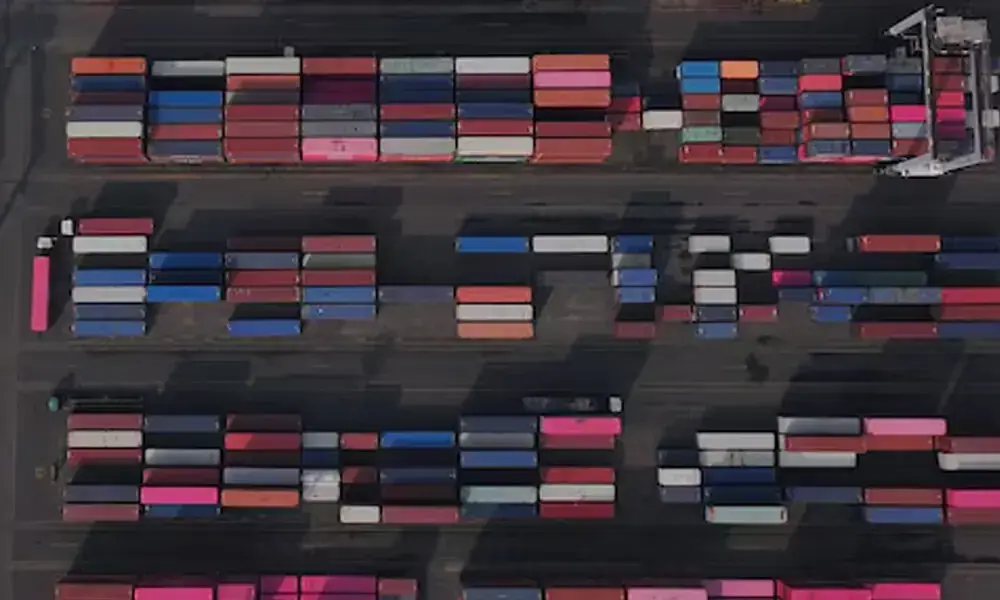
The trade gap with nine neighbouring countries expanded sharply by 44.4 percent during the first half of the year, highlighting growing imbalances in regional trade and renewed pressure on the external sector. The widening deficit reflects a combination of rising imports, subdued exports, and structural weaknesses that continue to affect cross-border trade performance.
Imports from neighbouring countries grew steadily during the period, driven largely by higher demand for essential goods, raw materials, fuel, and intermediate inputs for domestic industries. In contrast, exports to these markets failed to keep pace, constrained by limited product diversification, competitiveness challenges, and weaker demand in some partner economies. As a result, the trade balance tilted further into deficit despite stable overall trade volumes.
Economic analysts note that informal trade channels, currency fluctuations, and differences in production capacity among neighbouring states also contributed to the growing gap. In several cases, neighbouring economies were able to supply goods at lower costs, making imports more attractive than domestically produced alternatives. At the same time, exporters faced higher production costs and logistical hurdles, reducing their ability to expand market share across borders.
The widening trade gap has implications for foreign exchange reserves and macroeconomic stability. A sustained increase in the deficit can place pressure on the national currency and complicate efforts to manage inflation. Policymakers have expressed concern that without corrective measures, the imbalance could persist into the second half of the year.
To address the issue, authorities are considering a mix of short- and long-term strategies. These include encouraging import substitution where feasible, improving trade facilitation infrastructure at border points, and supporting exporters through incentives and market access initiatives. Strengthening regional trade agreements and addressing non-tariff barriers are also seen as key steps toward narrowing the gap.
Experts emphasize that while trade with neighbouring countries remains vital for economic integration and supply chain resilience, restoring balance will require structural reforms and a sustained push to enhance export competitiveness. The first-half figures serve as a reminder that regional trade dynamics can quickly shift, underscoring the need for proactive and coordinated economic policies.
About the Author