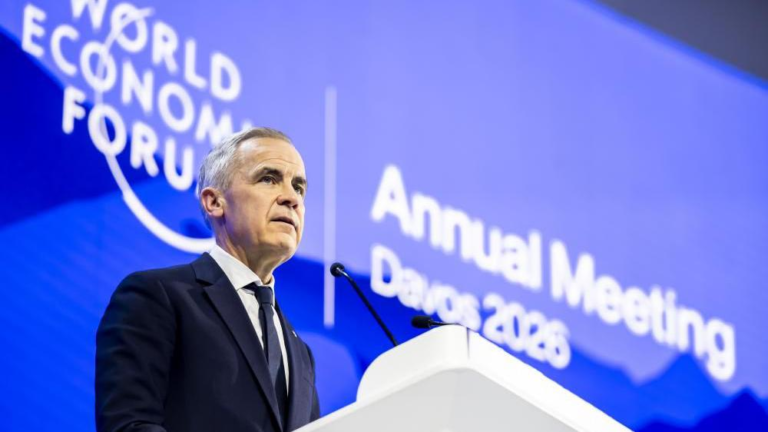
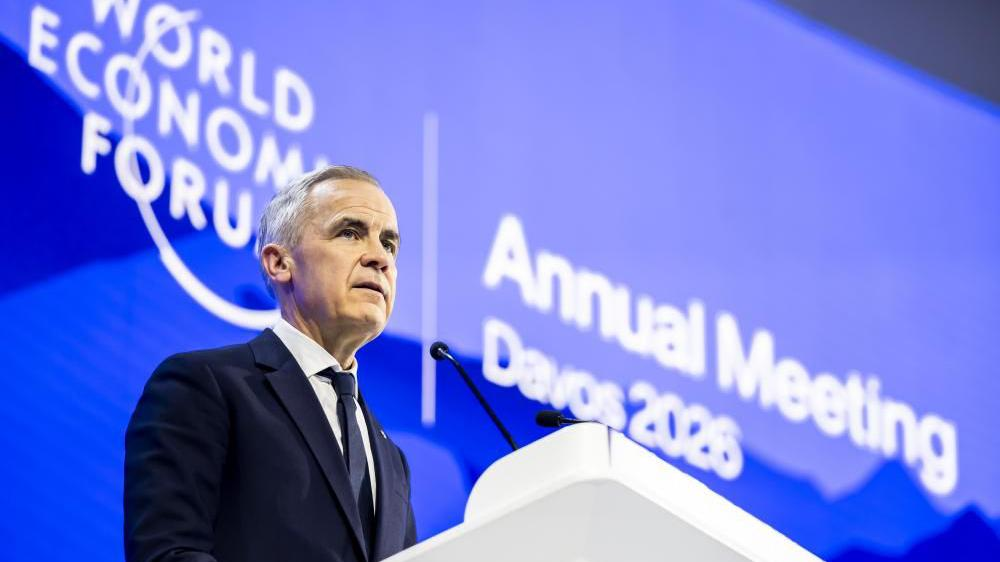
Global finance leaders gathering at the 2026 World Economic Forum in Davos said the international order is undergoing a significant transformation rather than a sudden rupture, as economies adjust to shifting power dynamics, technological disruption, and geopolitical uncertainty.
Finance chiefs from major economies emphasized that while the post-war global system is under strain, it is not collapsing. Instead, they described an evolving landscape marked by multipolar influence, regional realignments, and a reassessment of long-standing economic assumptions. Trade, capital flows, and supply chains are being reshaped, but cooperation remains essential.
Speakers pointed to rising protectionism, strategic competition between major powers, and conflicts in key regions as forces accelerating change. At the same time, they noted that global institutions continue to function and adapt, helping prevent disorderly fragmentation. “The rules are being rewritten, not abandoned,” one finance official said during a panel discussion.
Emerging markets featured prominently in the discussions, with finance ministers highlighting their growing role in global growth and investment. Several officials stressed that countries in the Global South are no longer passive participants but active shapers of the new economic order, seeking greater representation in international financial institutions.
Technology and climate policy were also cited as defining forces. Advances in artificial intelligence, digital finance, and green energy are altering competitiveness across nations, while climate risks are pushing governments to rethink fiscal priorities and cross-border cooperation. Finance leaders warned that failure to coordinate on these fronts could deepen inequality and volatility.
Despite cautious optimism, concerns remained over debt burdens, fragmented trade policies, and weakening trust between nations. Officials urged renewed dialogue and pragmatic policymaking to manage competition without tipping into confrontation.
The overall message from Davos was one of adjustment rather than collapse. Finance chiefs agreed that the global order is changing shape, driven by economic reality and political choice, and that how governments respond now will determine whether the transition leads to stability or deeper division in the years ahead.
About the Author